
In today’s fast-paced business environment, organisations are constantly looking for innovative ways to engage their audiences. Technology is essential in driving these interactions, but its true power lies in how businesses use it to create meaningful, memorable experiences. By improving communication and enhancing customer journeys, businesses can craft stories that deeply resonate with people. This article explores how innovation through technology can help companies build stronger connections with their customers in more impactful ways.
The Power of Technology in Shaping Customer Experience
In an increasingly competitive marketplace, businesses must deliver experiences that captivate and engage customers, encouraging loyalty and repeat business. Technology plays a pivotal role in this process. By integrating the right digital tools, businesses can streamline operations, enhance service delivery, and build more meaningful relationships with their customers. From personalised interactions to real-time updates, technology allows businesses to create experiences that feel authentic, human, and valuable.
Read More: 9 Things to Expect from Glass Installers in Twin Falls
Digital platforms have radically transformed the way customers engage with businesses. Websites, mobile apps, and social media provide businesses with opportunities to interact with their audiences at every touchpoint. However, simply offering these platforms is not enough. They must create personalised, meaningful interactions for users, whether through tailored content or targeted recommendations. Technology ensures that every touchpoint feels human and is geared towards adding value to the customer’s journey.
The Evolution of Storytelling with Digital Tools
In the modern business world, storytelling has become an essential tool for connecting with customers. However, storytelling today goes beyond traditional advertising, it is now an integral part of how brands engage with audiences. The stories businesses tell through digital tools can form emotional bonds, influence purchasing decisions, and foster brand loyalty.
Technology enables businesses to craft dynamic, interactive storytelling experiences. For instance, augmented reality (AR) and virtual reality (VR) offer immersive experiences, allowing customers to interact with a brand’s narrative in novel ways. Businesses can create environments where customers actively participate, making the story more engaging and memorable.
Building Human Connections Through Innovation
While technology is often associated with efficiency, its true value lies in its ability to foster genuine human connections. Through digital communication platforms, businesses can engage with customers in real-time, creating more personal and meaningful interactions. This immediacy helps build stronger relationships, making customers feel valued and heard.
Social media platforms such as, Instagram, and LinkedIn have become vital for customer engagement. These channels provide businesses with opportunities for two-way communication, allowing companies to respond to feedback, address concerns, and create a sense of community. Every comment, like, or review helps businesses build trust and rapport with customers, showing them that their voices matter.
Furthermore, advancements in artificial intelligence (AI) and chatbots have made real-time customer service more accessible. These tools are designed to provide personal, helpful support, ensuring that each interaction is meaningful and contributes to a positive customer experience.
Personalisation and Data-Driven Insights
One of the most powerful ways to connect with customers is through personalisation. By harnessing data, businesses can offer tailored experiences that meet the specific needs of each individual. Data-driven insights allow businesses to provide relevant recommendations, personalised offers, and targeted communication that resonates with customers on a deeper level.
Personalisation goes beyond simply suggesting products based on past purchases. It is about creating an experience that feels uniquely crafted for the customer. For example, sending follow-up emails with relevant content or promotions based on previous interactions demonstrates that the business is attentive to customer preferences, which builds trust and loyalty over time.
Engaging Audiences with Real-Time Content
Real-time content is one of the most effective ways to capture and maintain customer attention. Technology has given businesses the tools to share up-to-date information with customers in ways that feel immediate and relevant. Whether it’s a limited-time promotion, a live event, or a new product launch, real-time content adds value by keeping customers informed and engaged.
Digital platforms like social media and websites allow businesses to keep customers in the loop with real-time updates. This instant access to information creates a sense of urgency and relevance that keeps customers engaged with the brand. For example, industries such as retail, hospitality, and healthcare have embraced the power of real-time content to enhance customer experiences and remain agile in an ever-changing market.
One example of this innovation is digital signage, which allows businesses to update messages and content instantly. Whether it is used in-store or in public spaces, it can offer engaging, up-to-the-minute promotions, announcements, and events that encourage customers to take action.
The Role of Automation in Enhancing Experience
Automation is another key driver of technological innovation that enhances customer experience. Often associated with cost-cutting, automation can also be used to improve customer interactions and streamline business processes. By automating repetitive tasks, businesses can free up time and resources to focus on building stronger connections with customers.
Automated systems can assist with everything from inventory management to communication. For example, automated email campaigns help businesses stay in touch with customers, nurturing relationships over time. Similarly, automated scheduling tools make it easier for customers to book appointments, receive reminders, or manage their services.
When implemented thoughtfully, automation can enhance customer experience by making interactions smoother and more relevant while still feeling personal and authentic.
Embracing the Future of Technological Connections
As technology continues to evolve, businesses must remain open to adopting new tools that improve customer engagement. Emerging technologies such as AI-driven chatbots, immersive AR experiences, and dynamic digital displays are reshaping how businesses connect with their audiences. These innovations provide businesses with new ways to engage customers, provide value, and foster loyalty.
The future of customer experience will be shaped by a combination of innovative technology and human understanding. While digital tools offer incredible capabilities, they must be used thoughtfully and with empathy to create authentic experiences that resonate with customers. As new technologies emerge, businesses must continue to balance efficiency with the human touch to build lasting relationships.
Read More: Key Cutting Technology in Stuttgart: Adler Schlüssel’s Precision Engineering
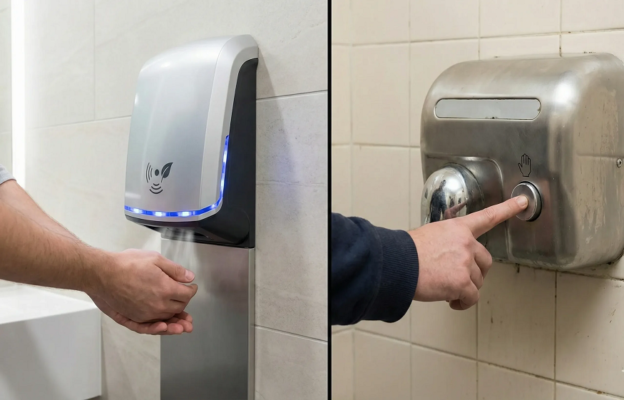
For wider commercial, hospitality, or public-facing projects, small supporting details can make the finished space feel more complete. Composite decking can provide a durable, low-maintenance surface for terraces, entrances, outdoor seating areas, and customer-facing spaces; while hand dryers can support cleaner, more efficient washroom facilities; while traditional signage can add character, direction, and brand presence.
Conclusion
In an increasingly technology-driven world, businesses that succeed will be those that use technology to tell compelling stories and build authentic connections with their customers. By embracing innovation and leveraging digital tools such as personalised communication, real-time content, and immersive experiences, businesses can create meaningful interactions that strengthen customer loyalty. In doing so, organisations can move beyond transactional relationships to form lasting, emotional connections with their customers, driving sustained success and long-term growth.